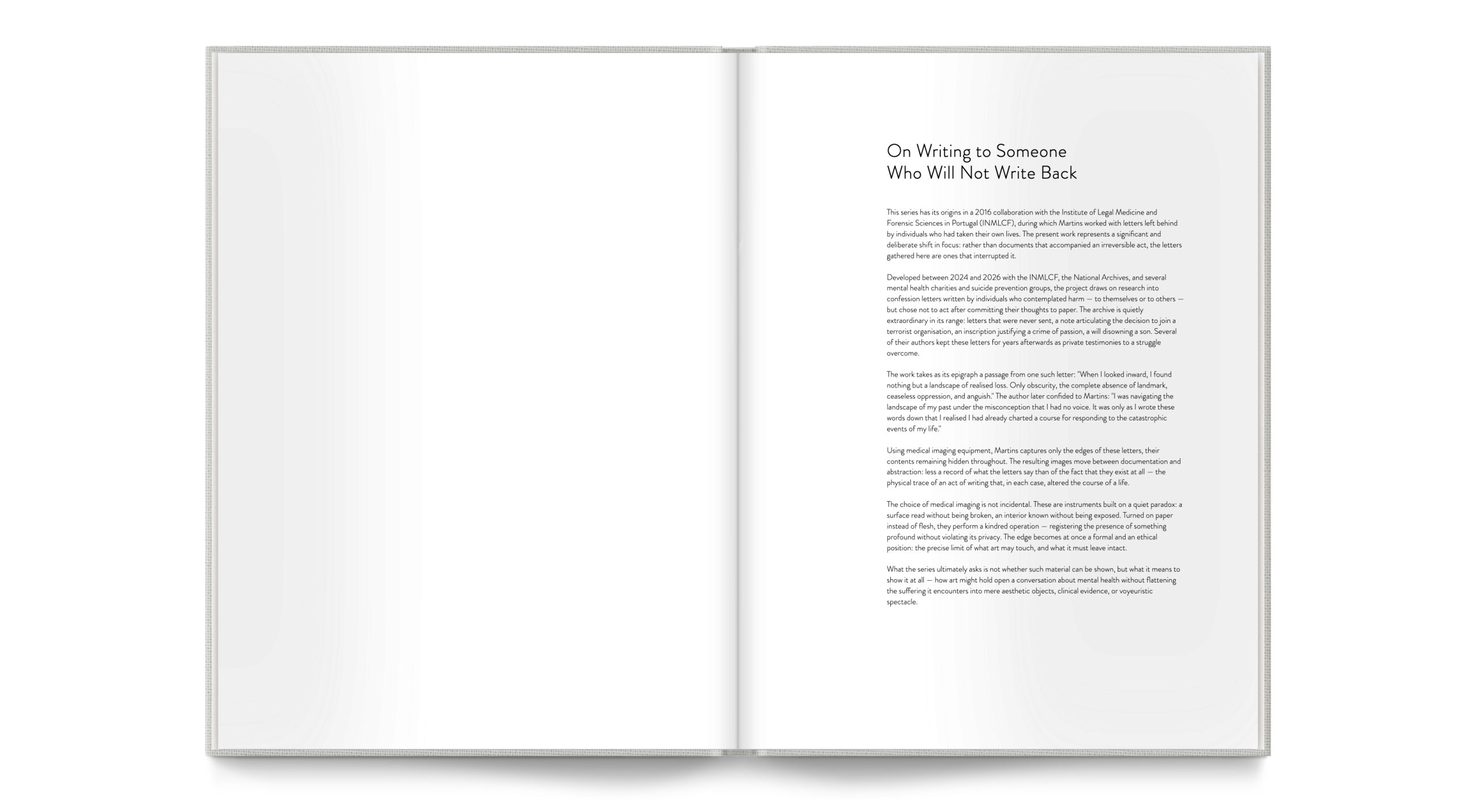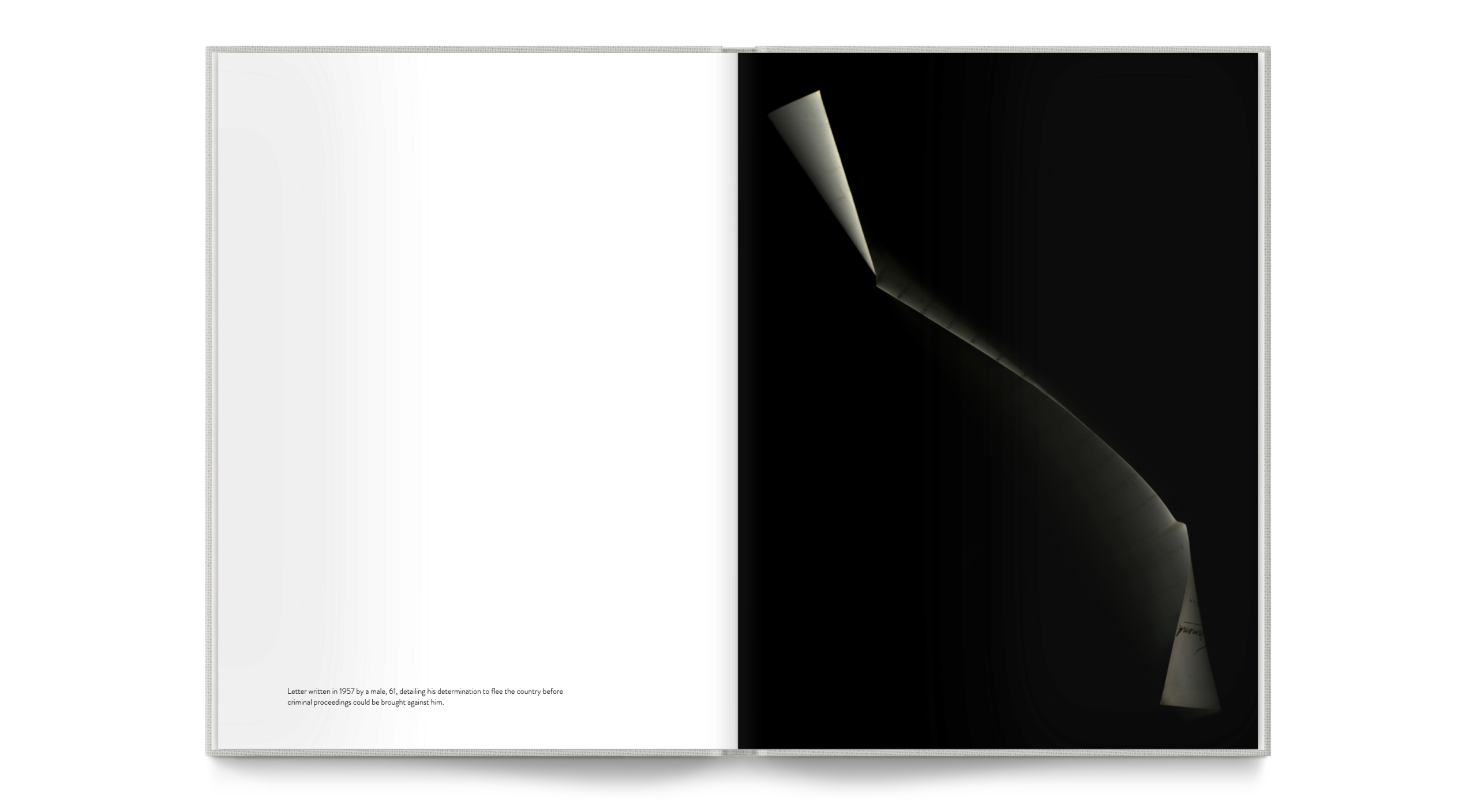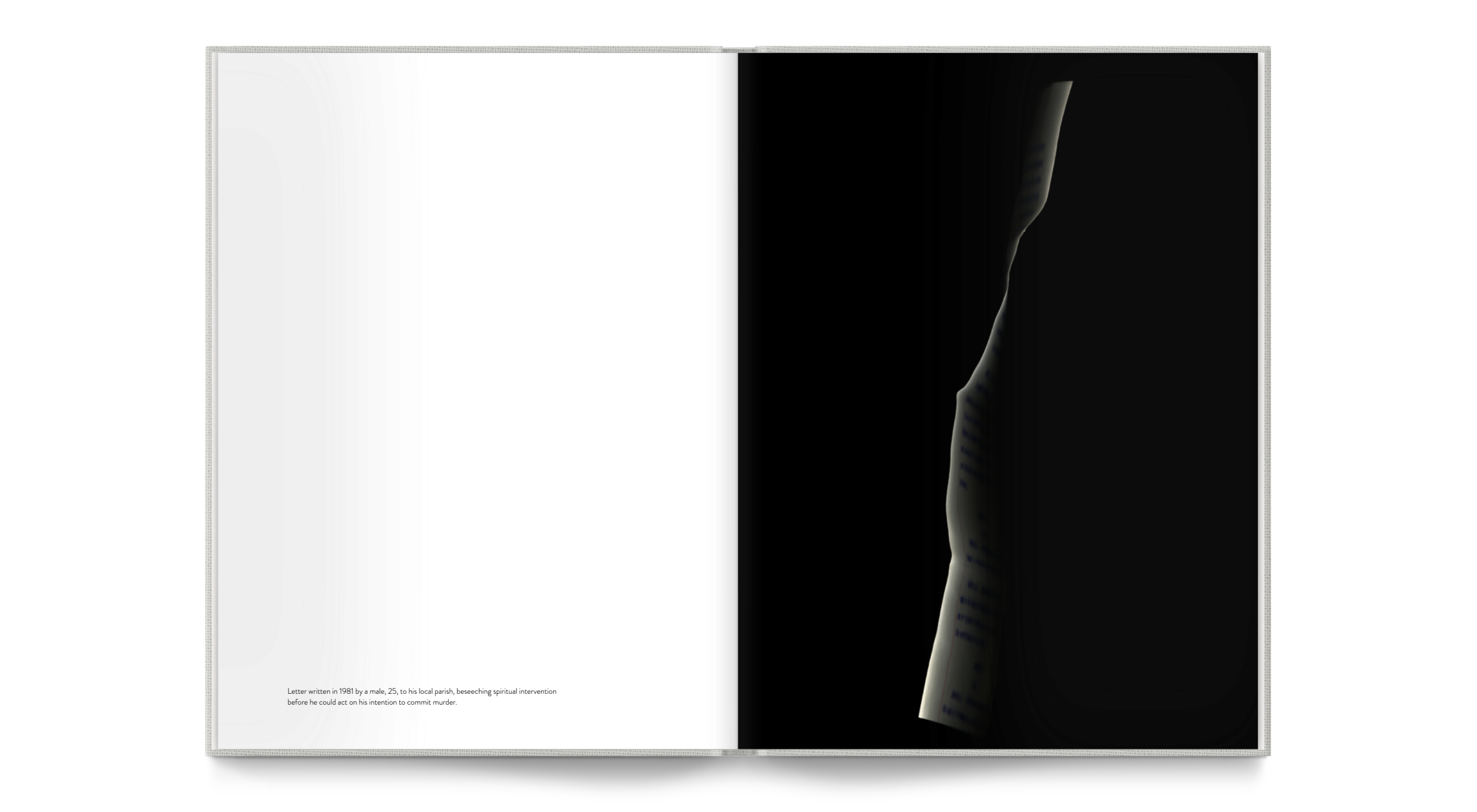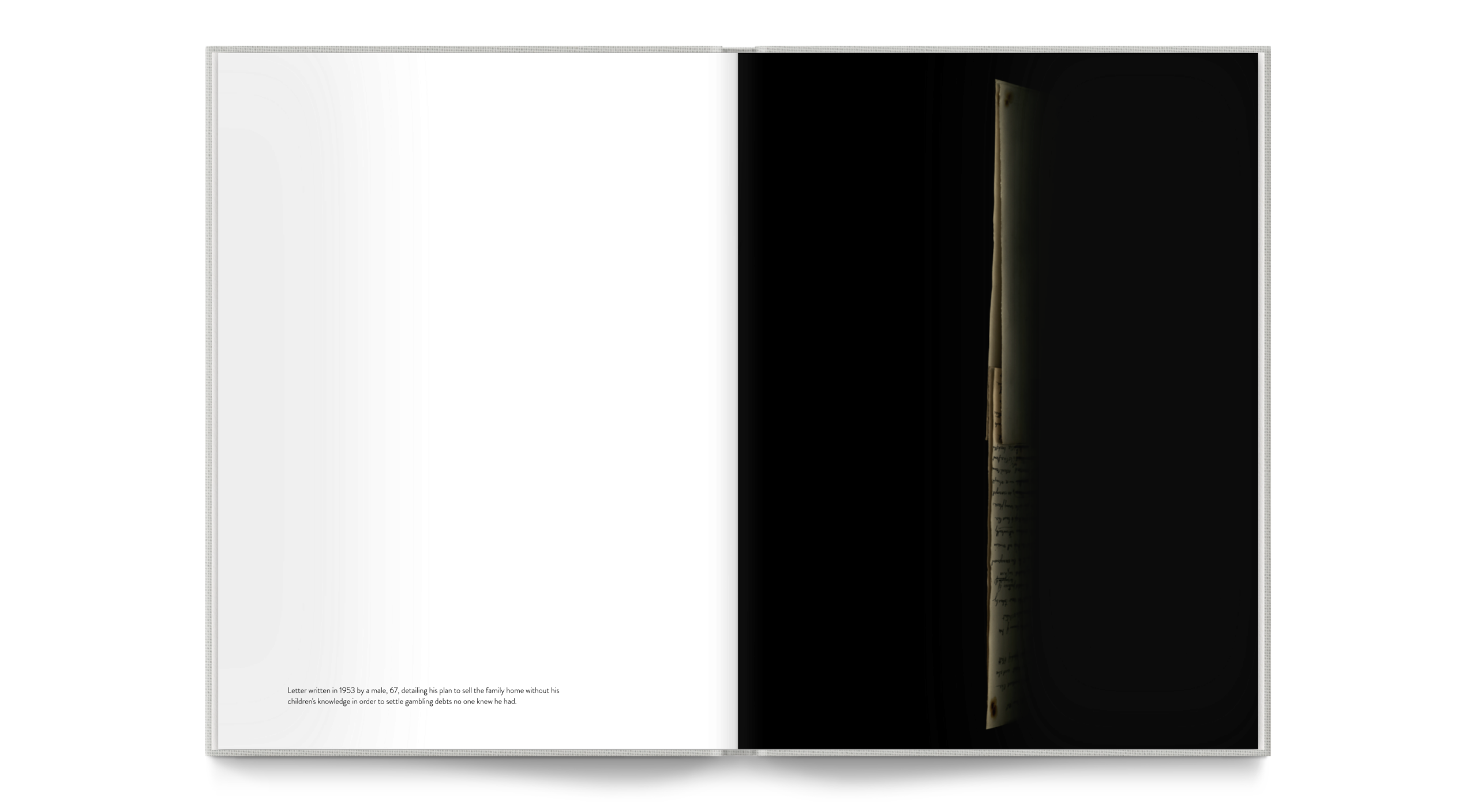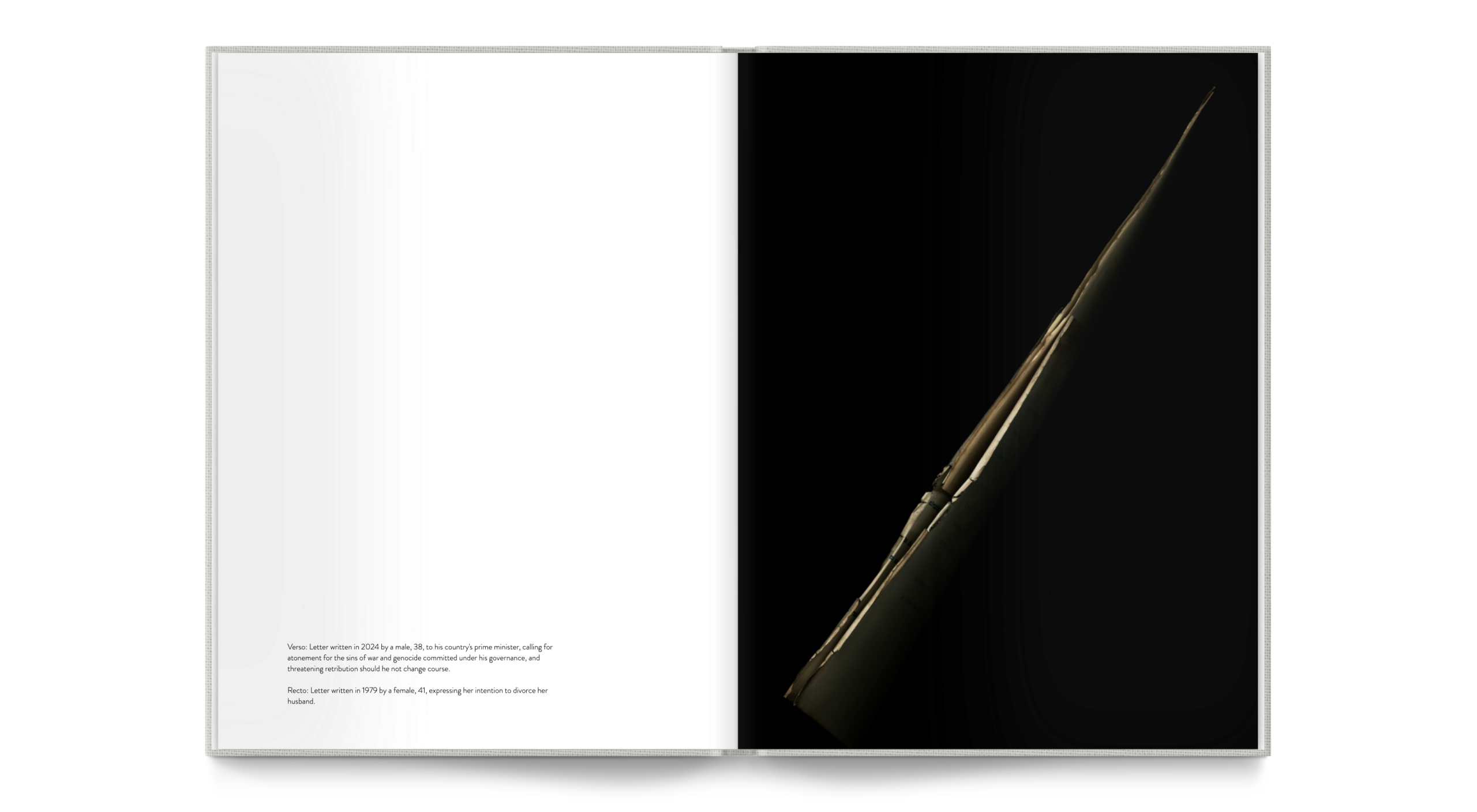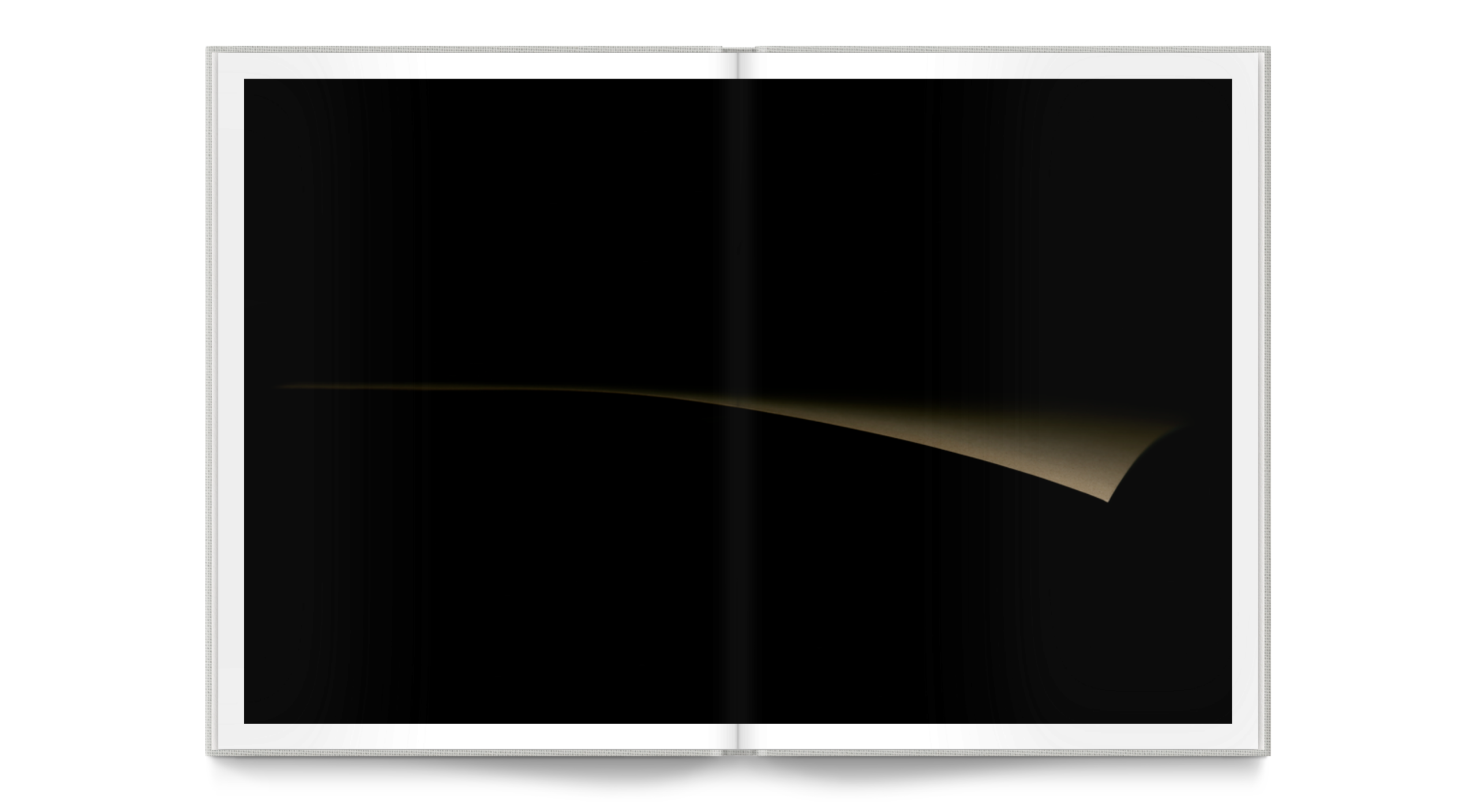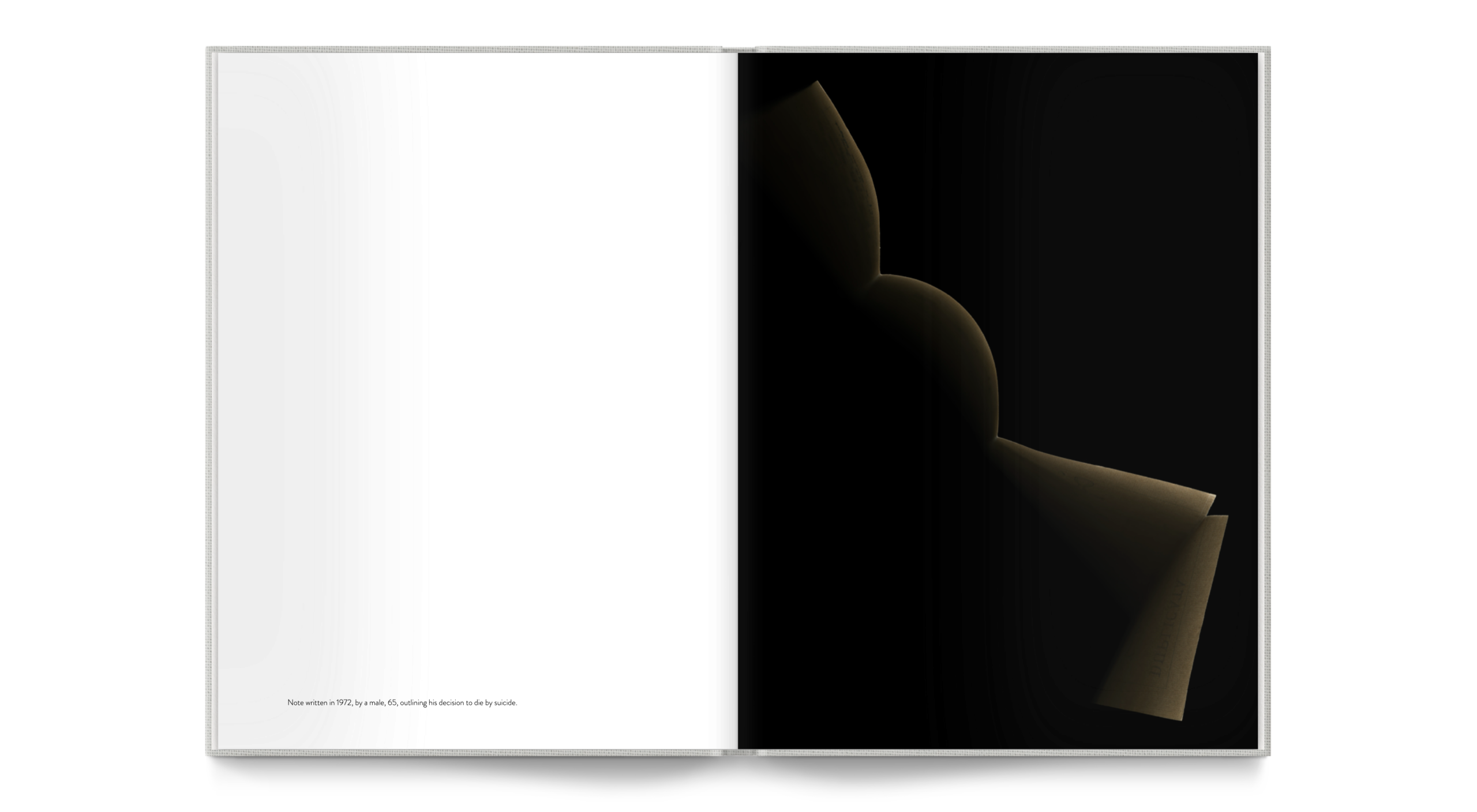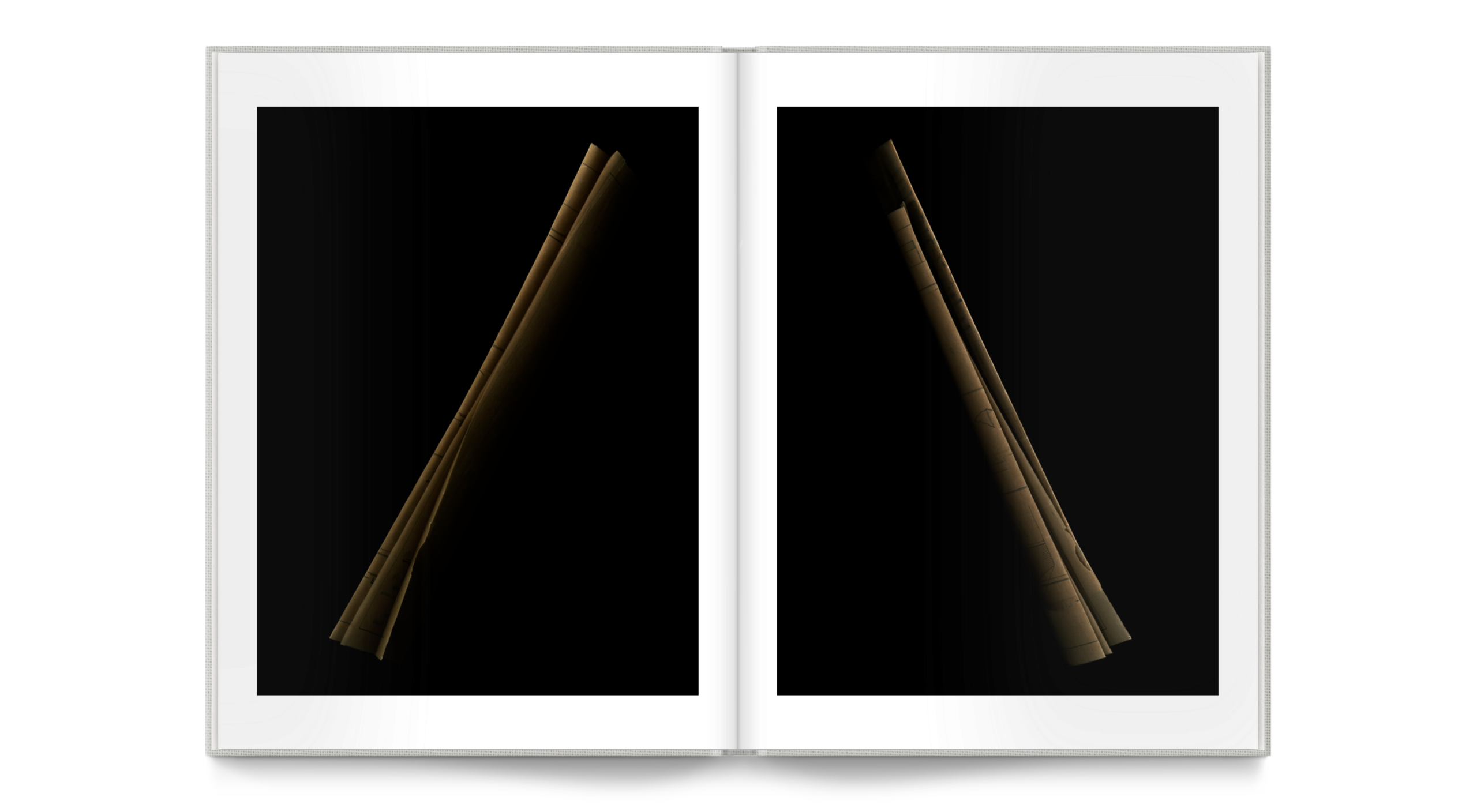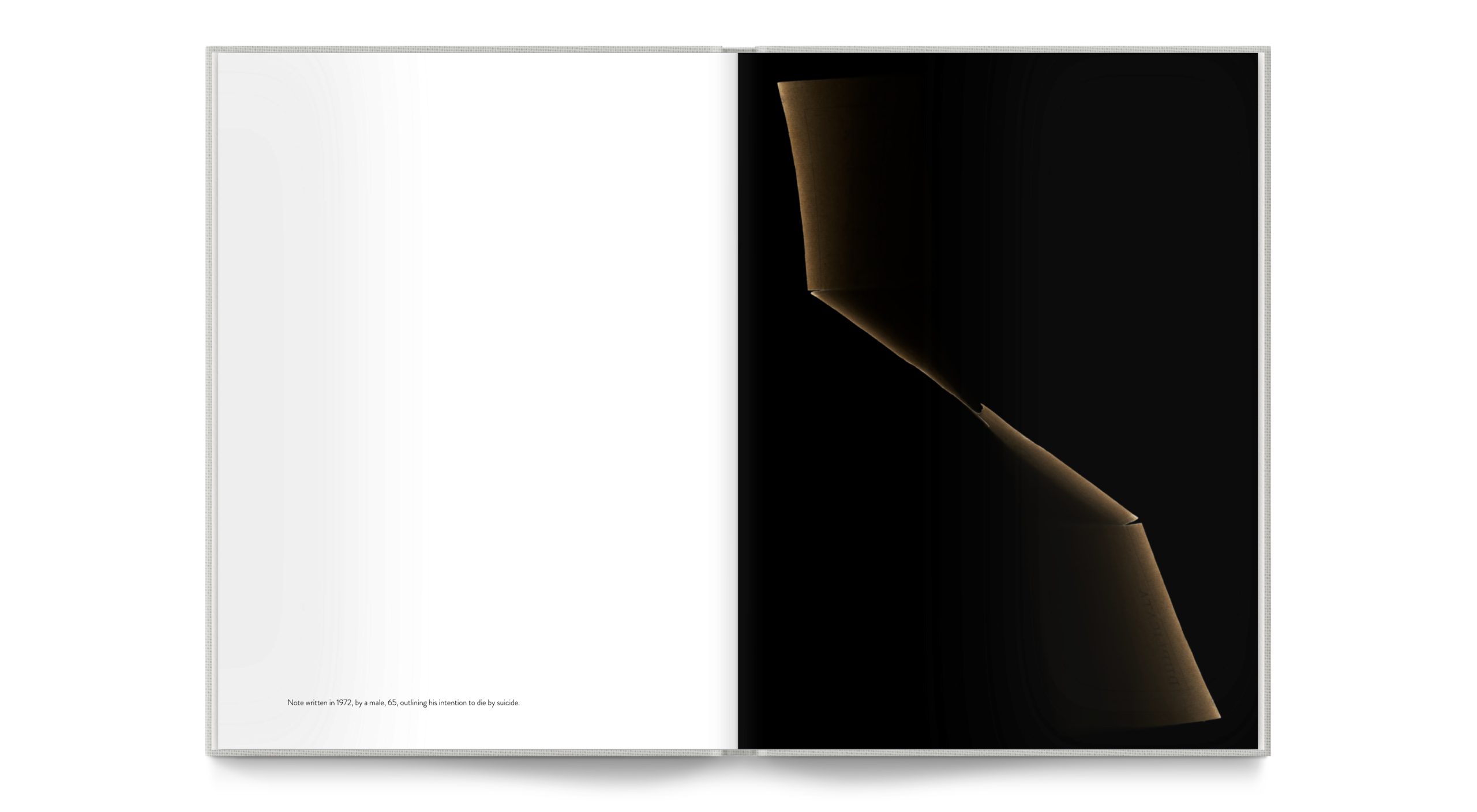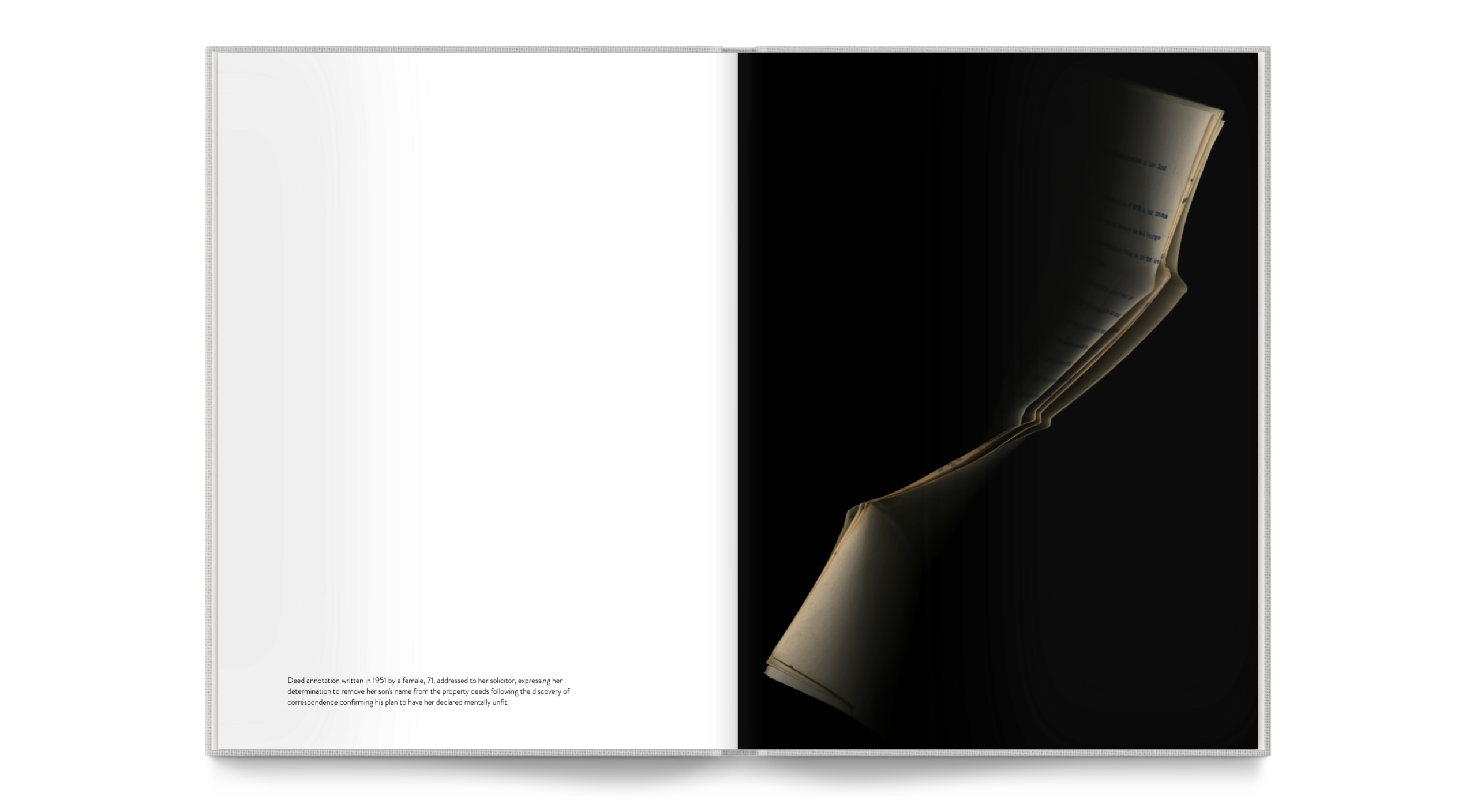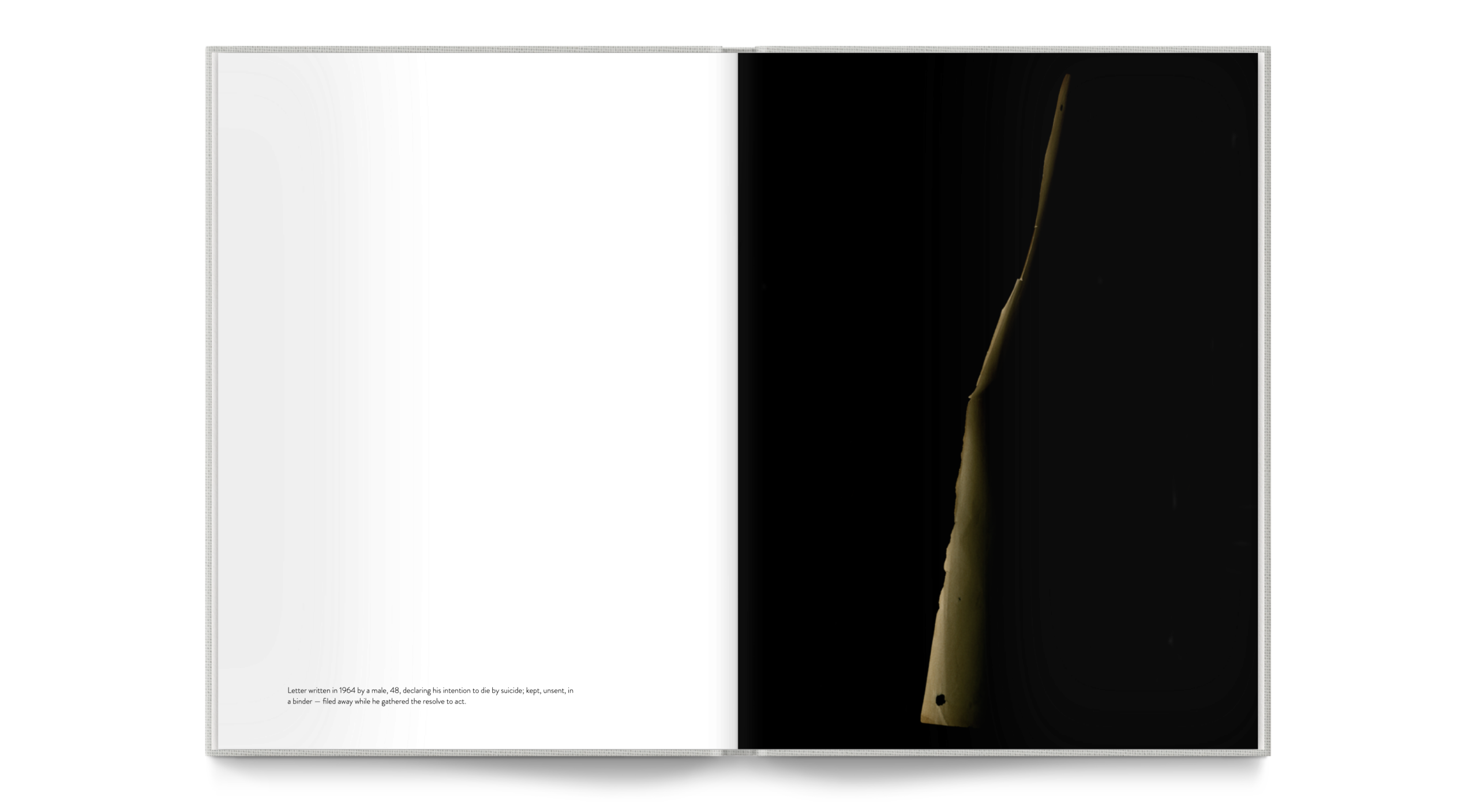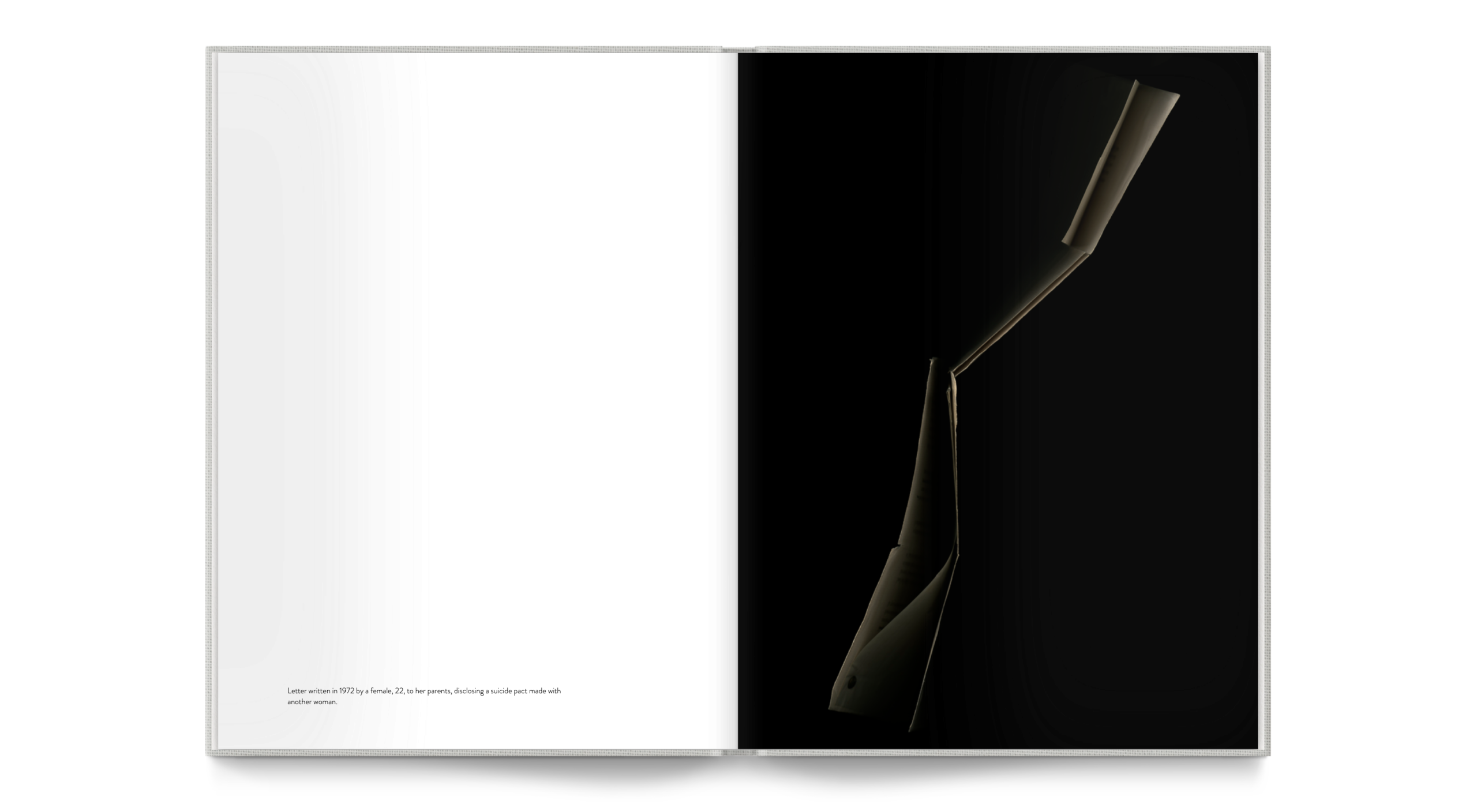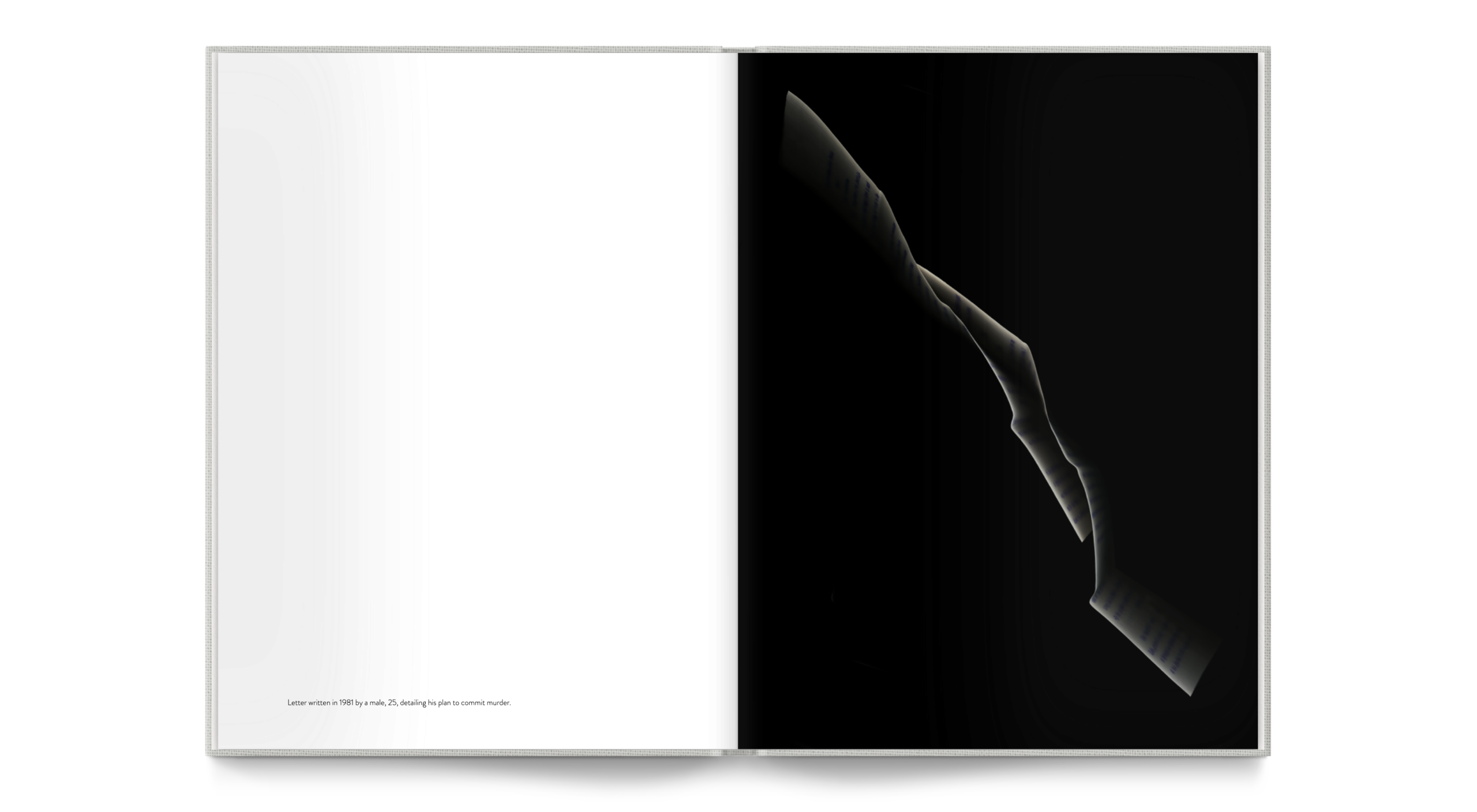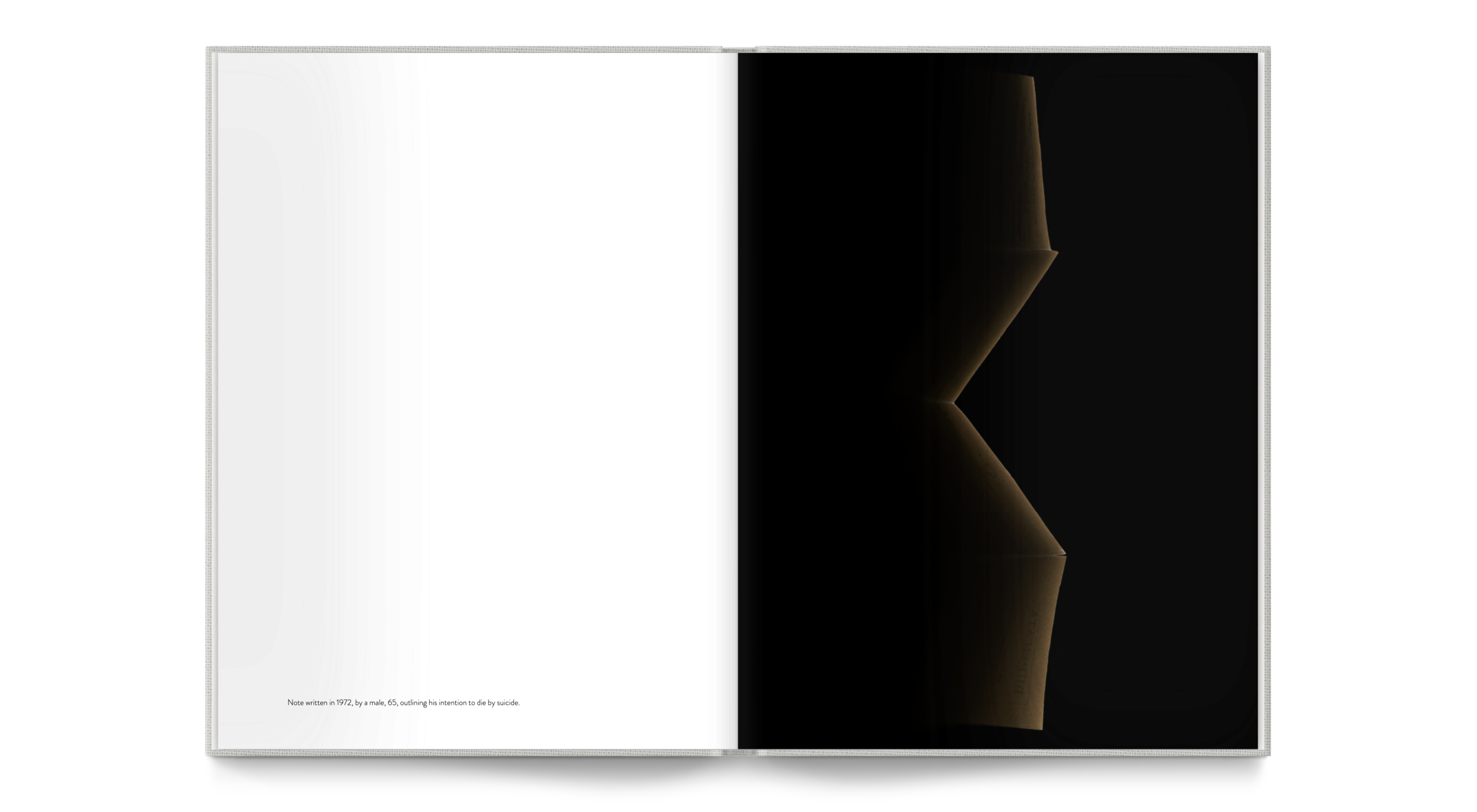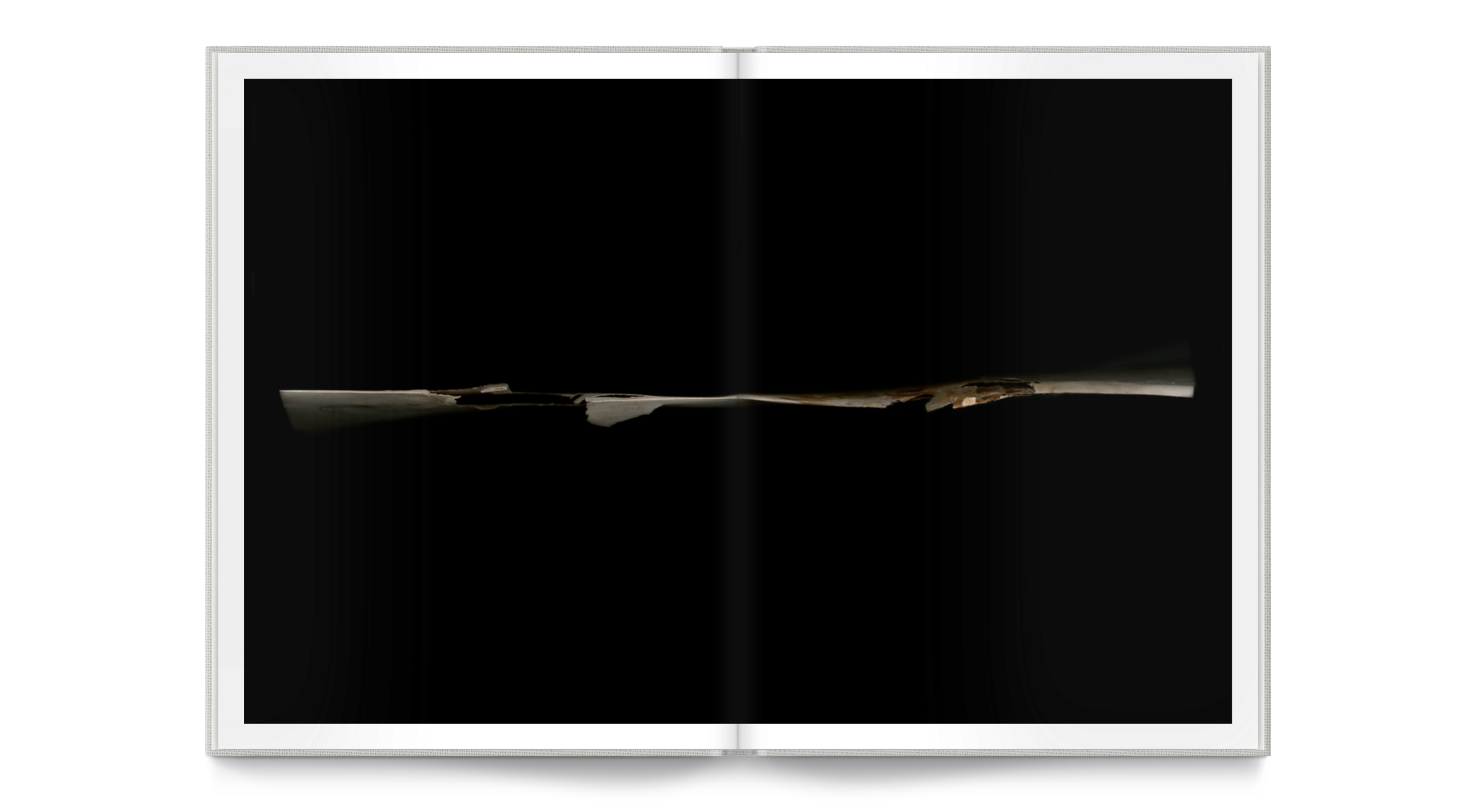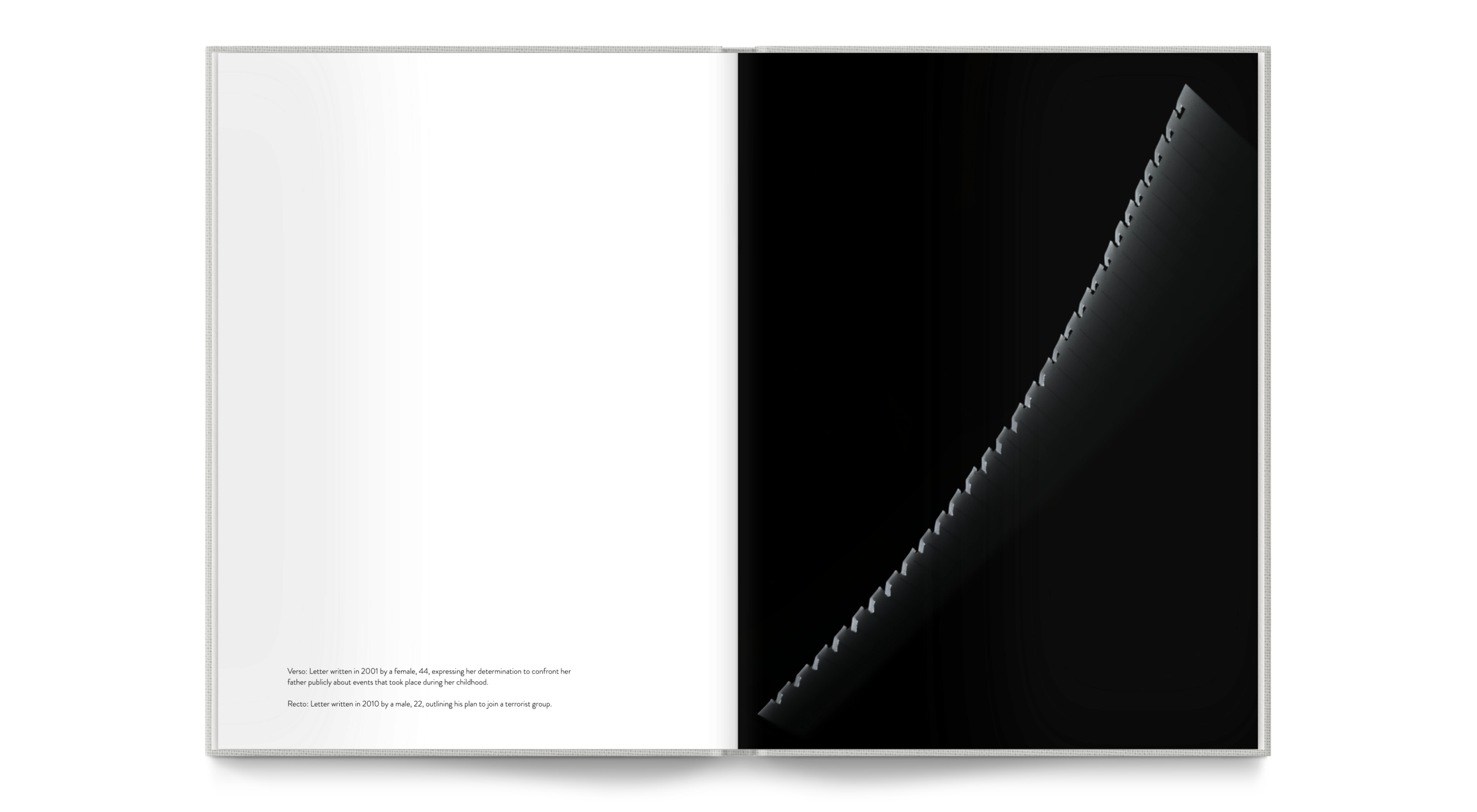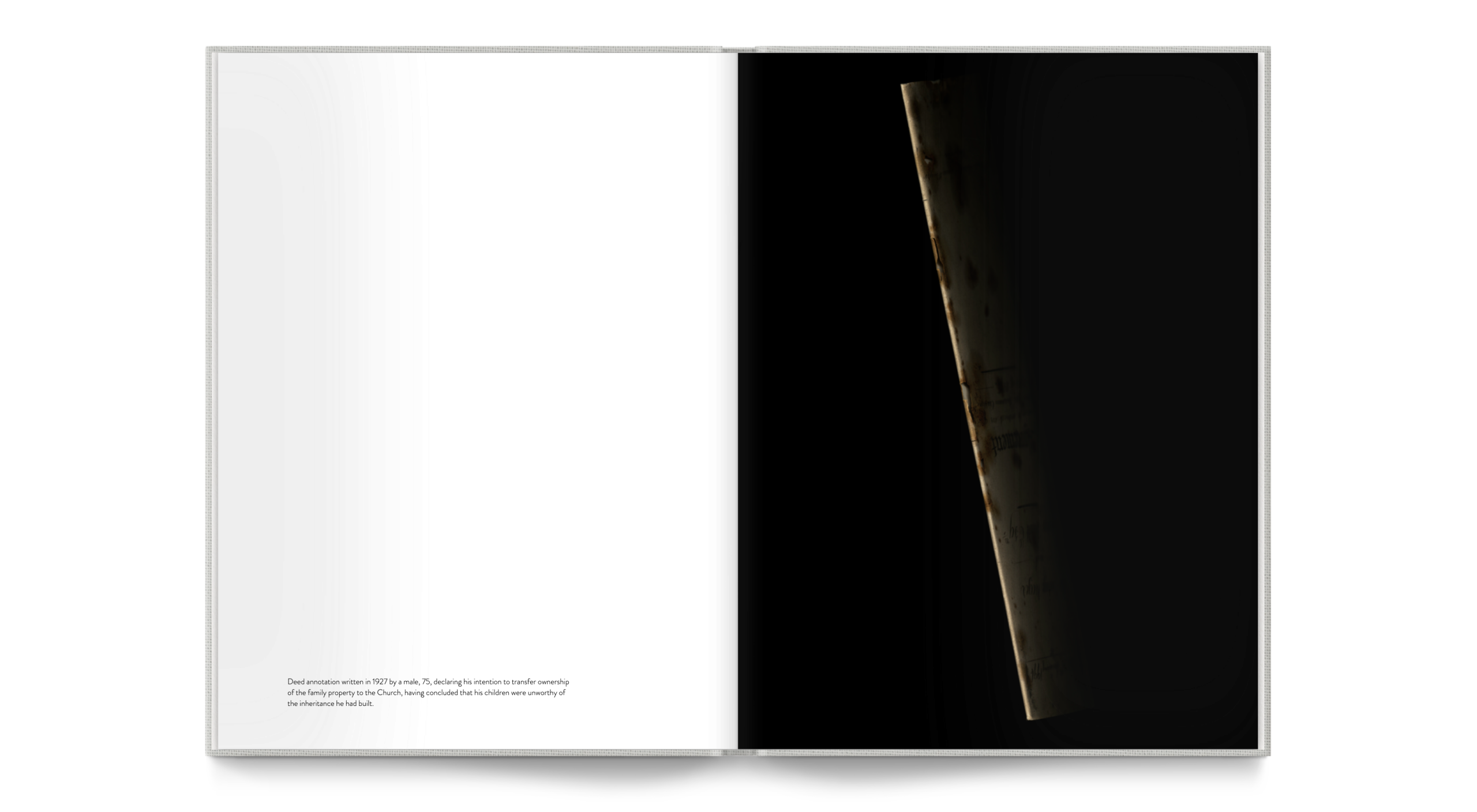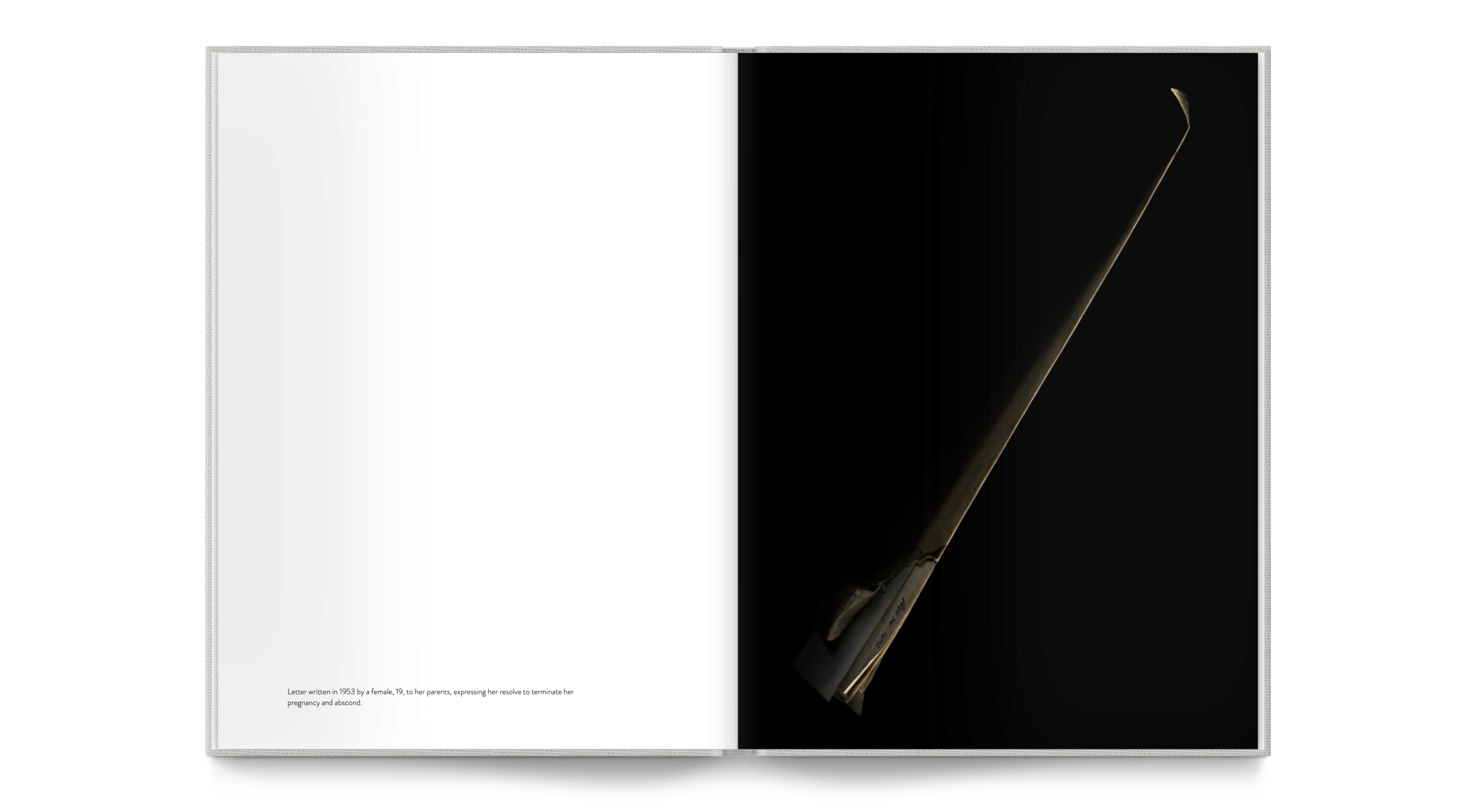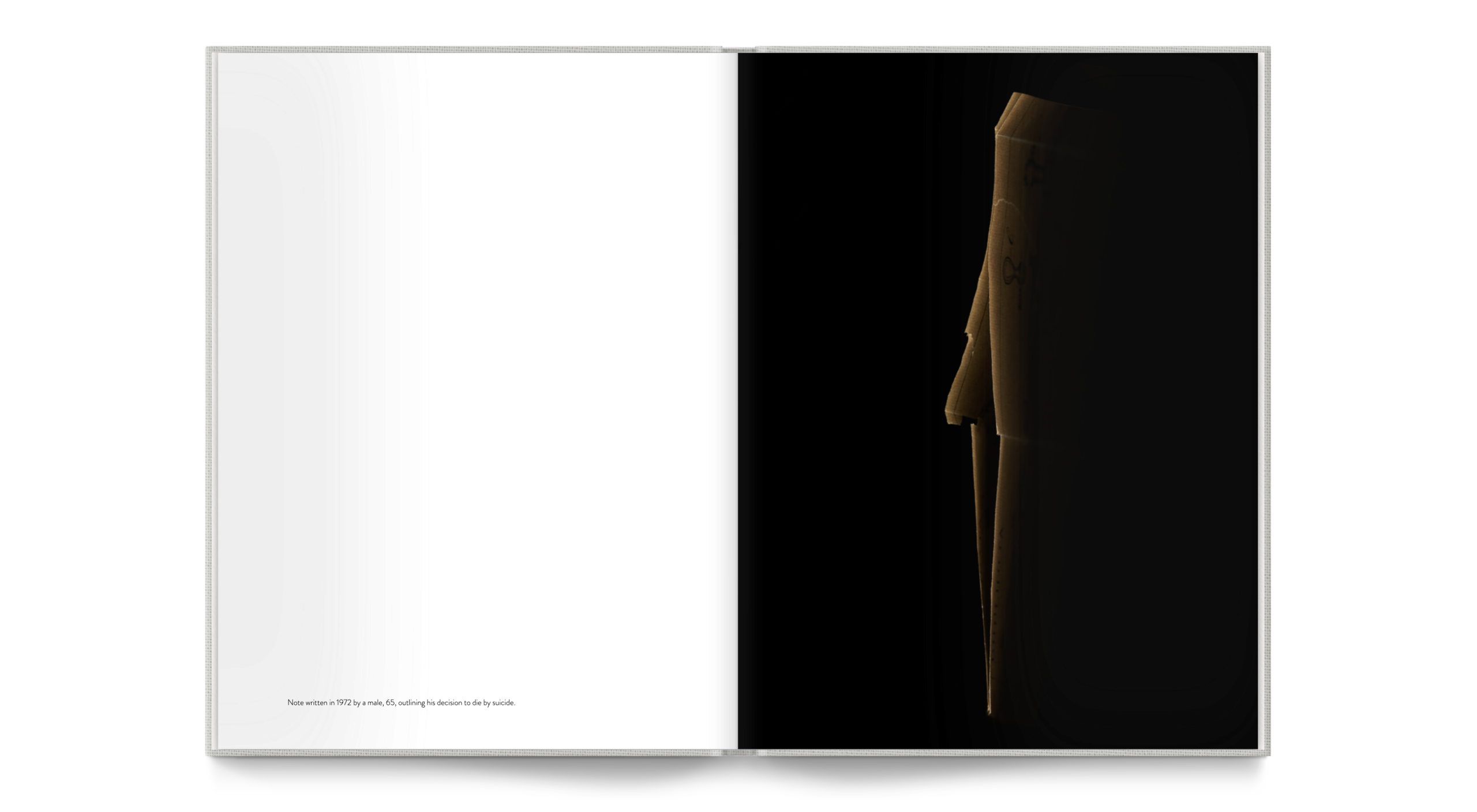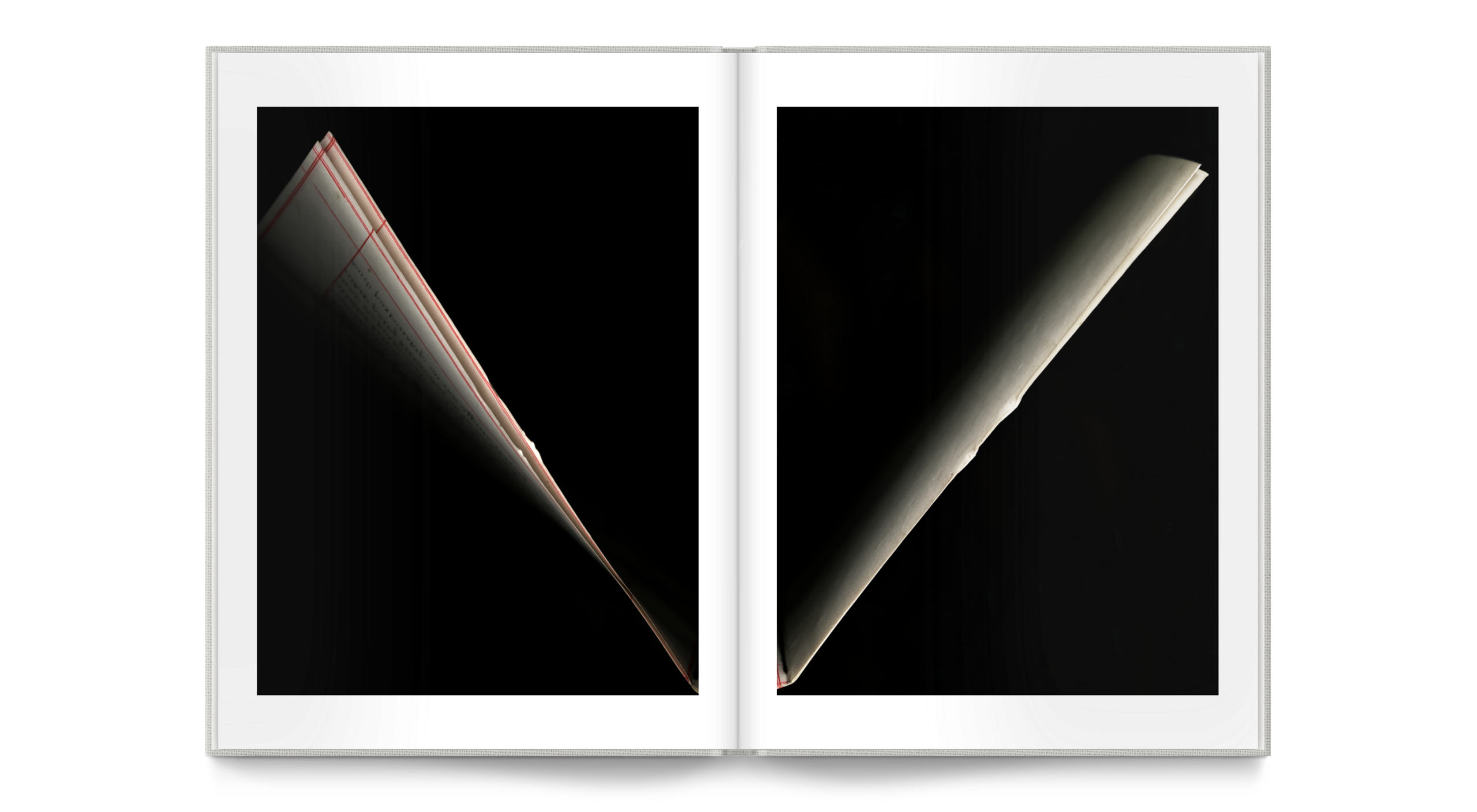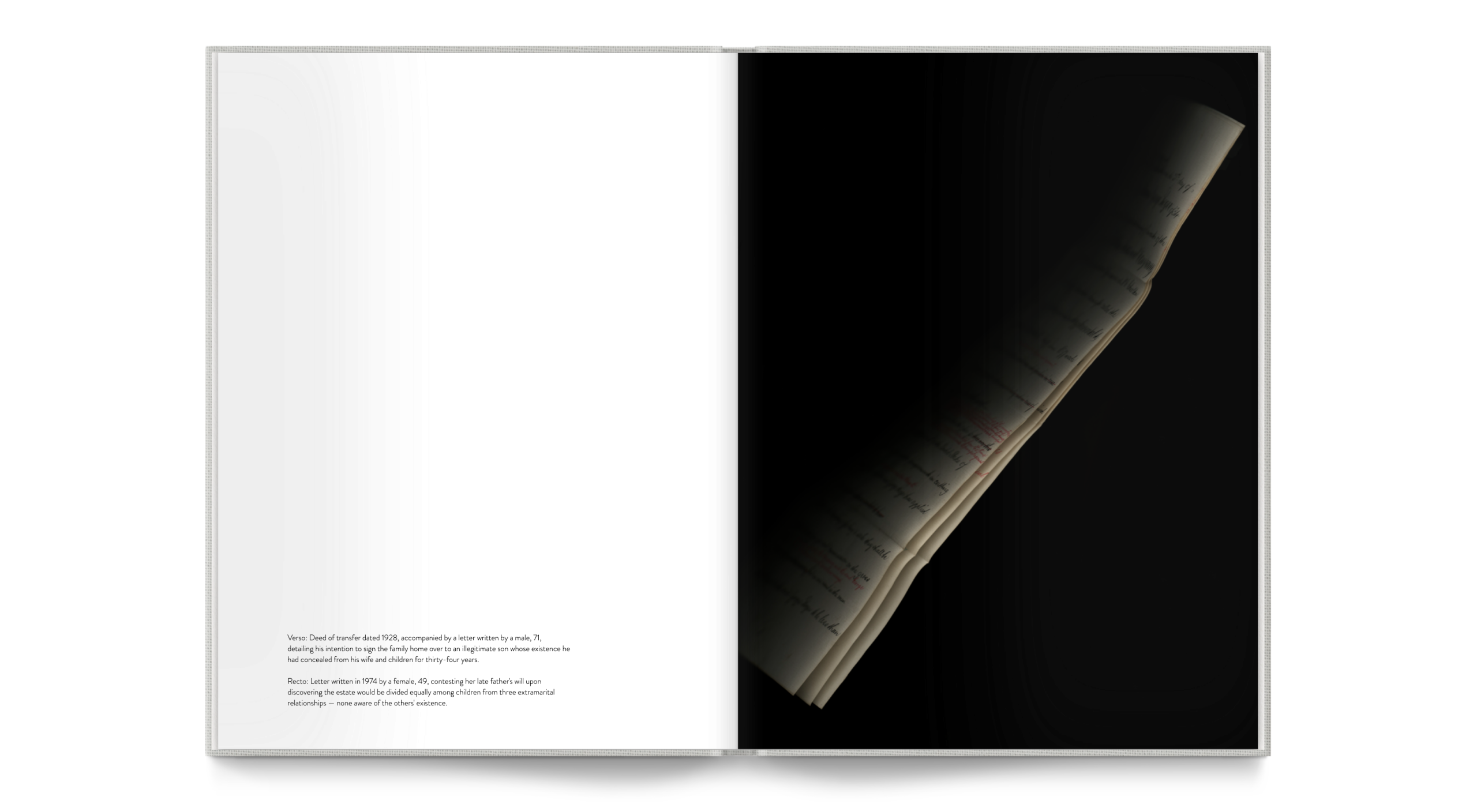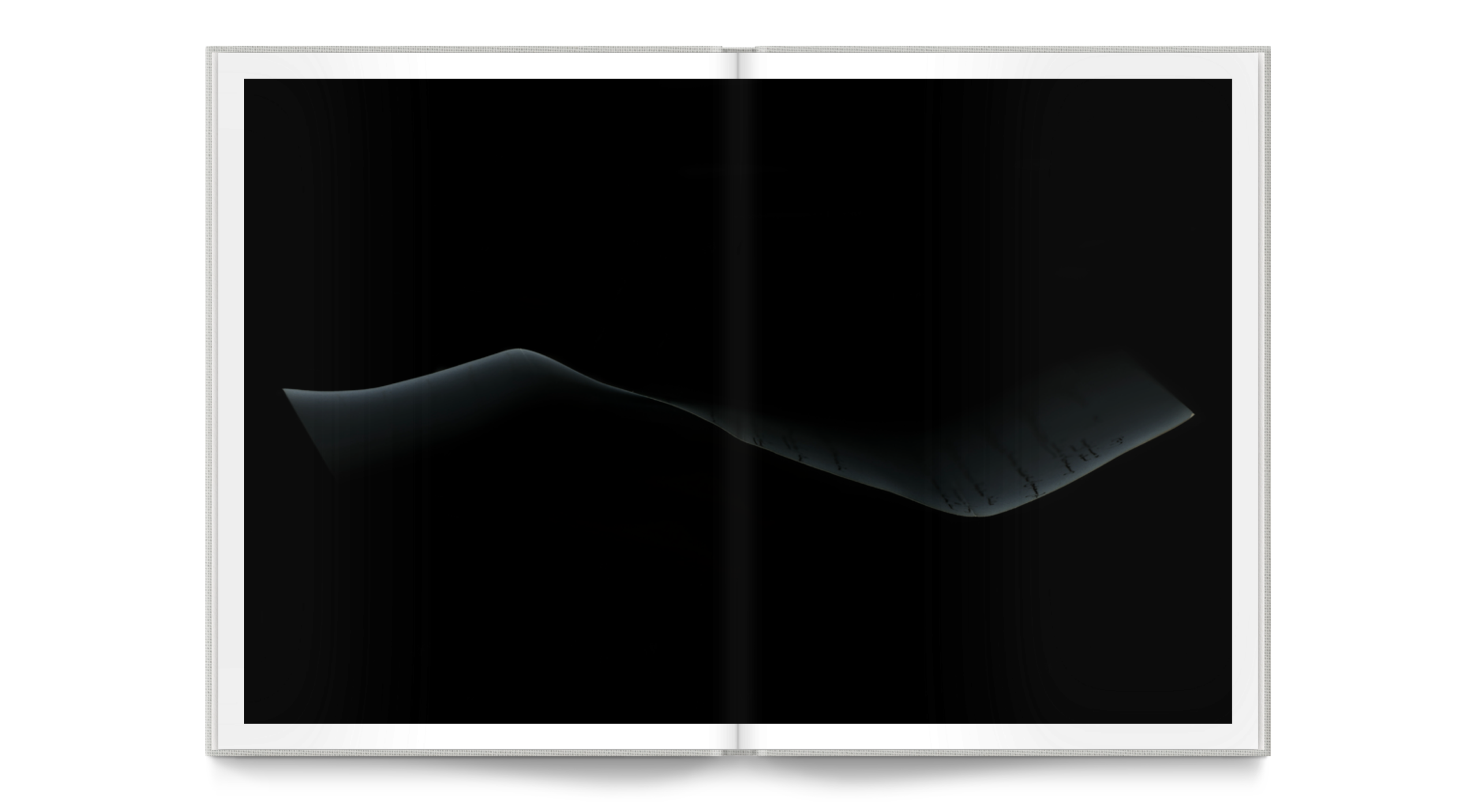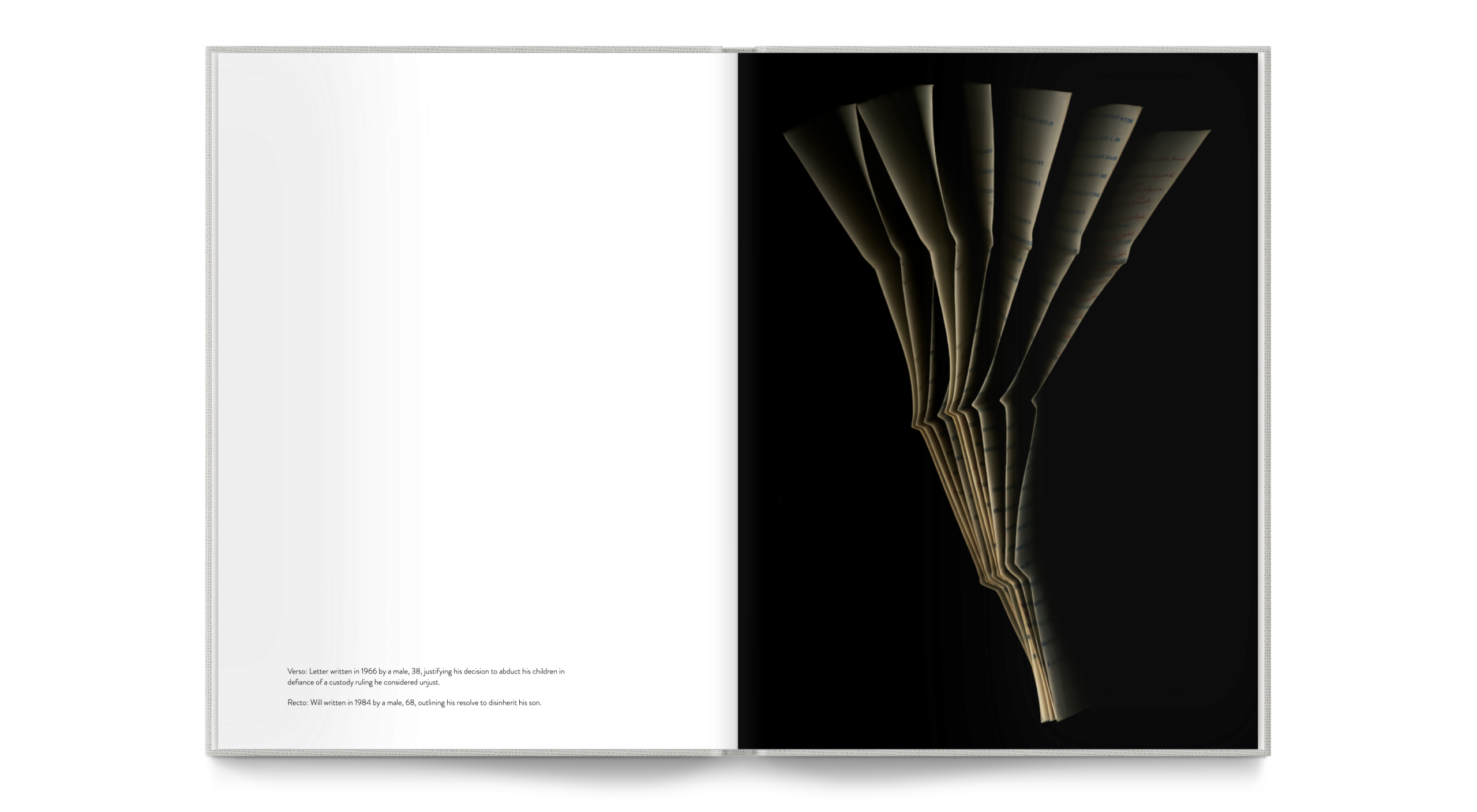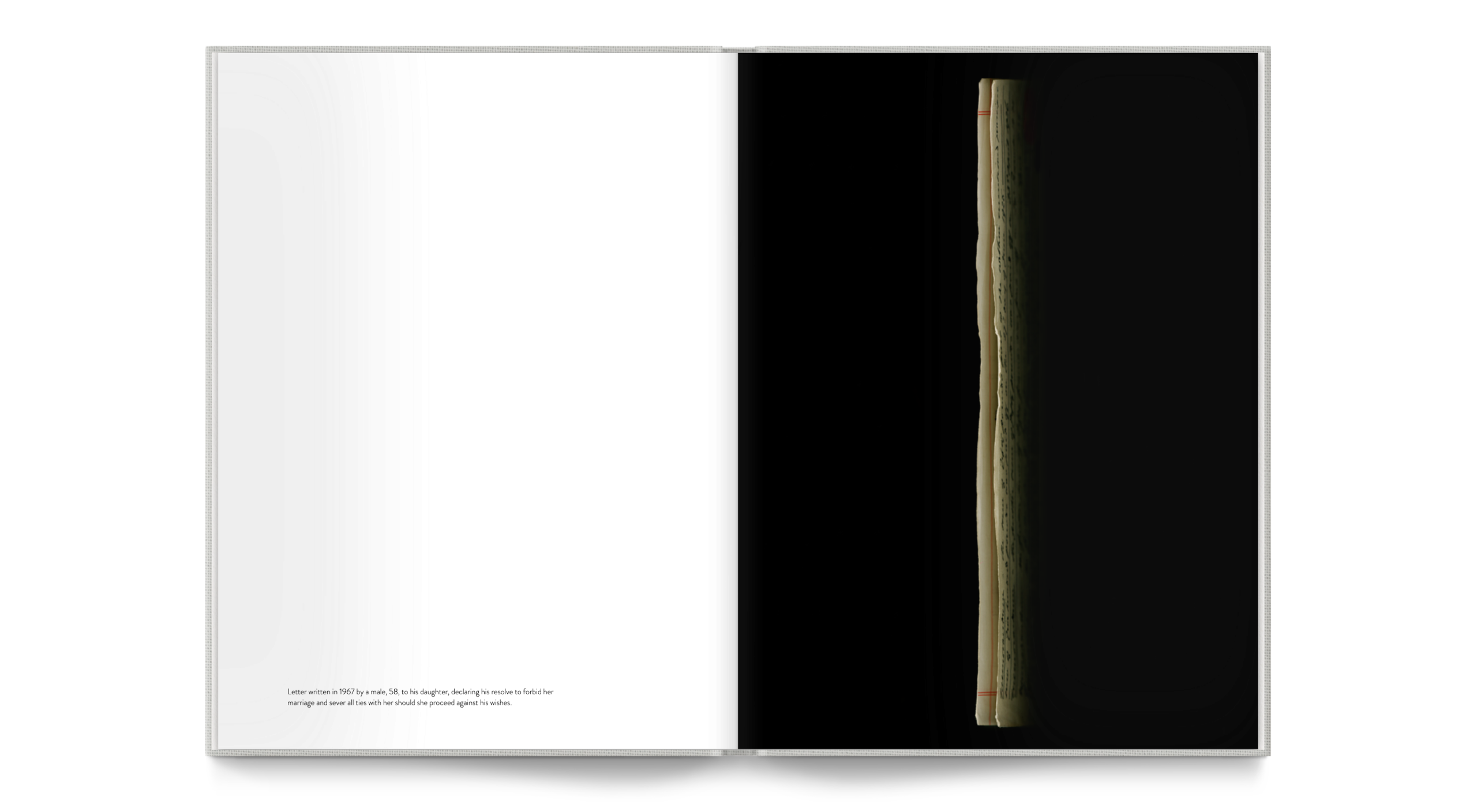
Developed between 2016 and 2025 with the INMLCF and several mental health charities and suicide prevention groups, this project draws on research into confession letters written by individuals who contemplated har — to themselves or others — but chose not to act after committing their thoughts to paper. The archive is quietly extraordinary in its range: letters that were never sent, a note articulating the decision to join a terrorist organisation, an inscription justifying a crime of passion, a will disowning a son, a prayer to God. Several of their authors kept these letters for years afterwards as private testimonies to a struggle overcome.
The work takes as its epigraph a passage from one such letter: “When I looked inward, I found nothing but a landscape of realised loss. Only obscurity, the complete absence of landmark, ceaseless oppression, and anguish.” The author later confided to Martins: “I was navigating the landscape of my past under the misconception that I had no voice. It was only as I wrote these words down that I realised I had already charted a course for responding to the catastrophic events of my life.” Writing, here, does not describe the crisis — it resolves it. The letter becomes not a farewell but an act of survival.
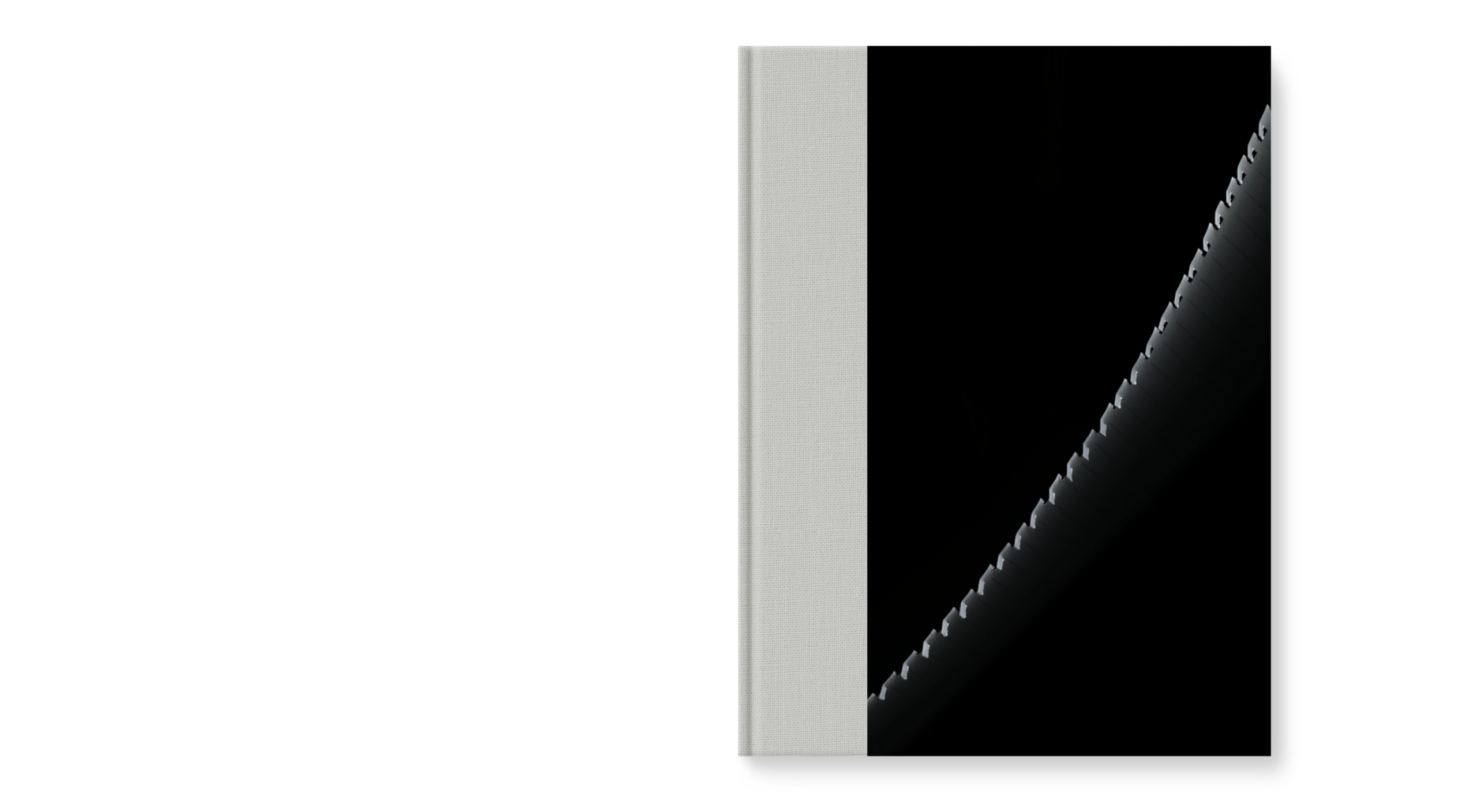
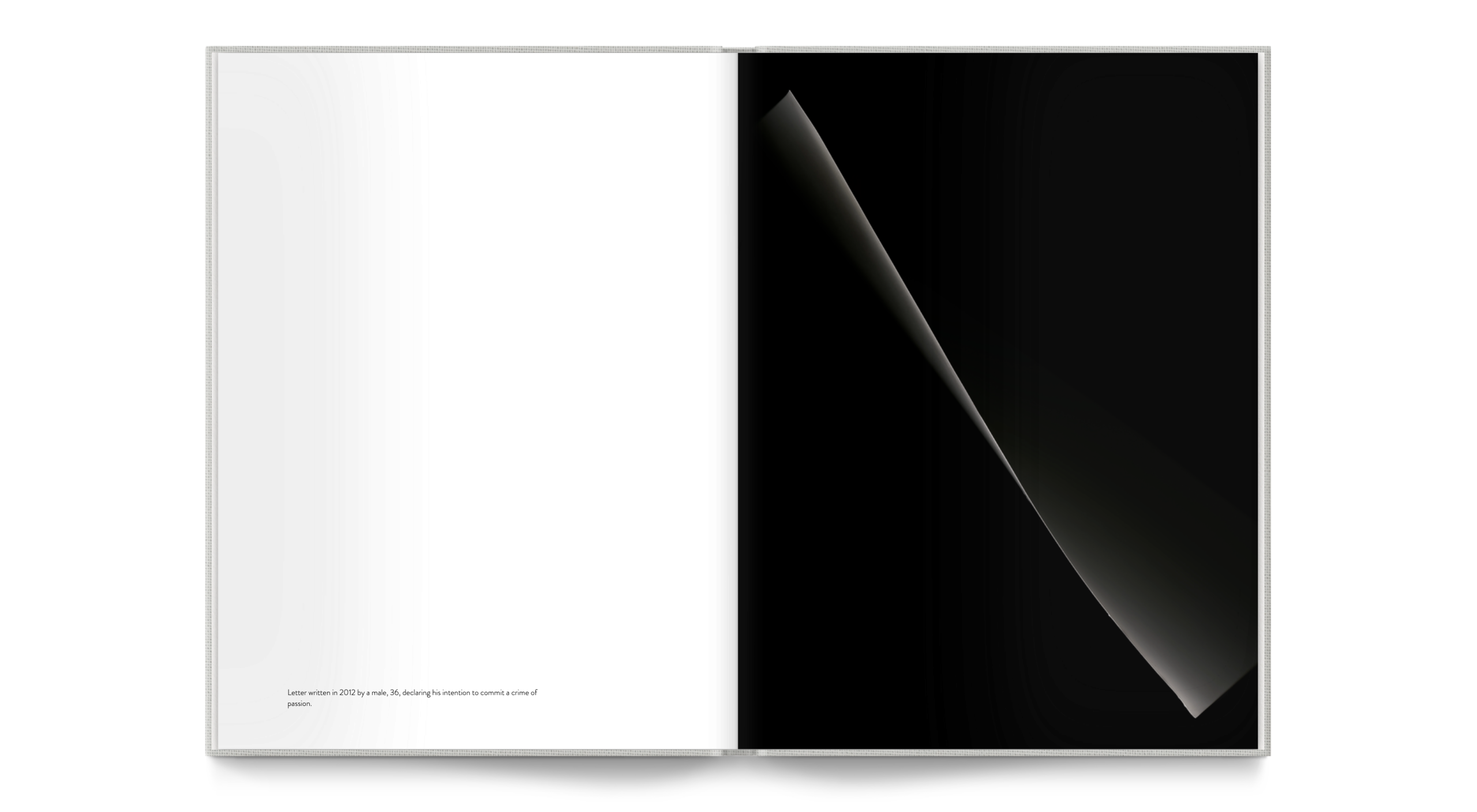
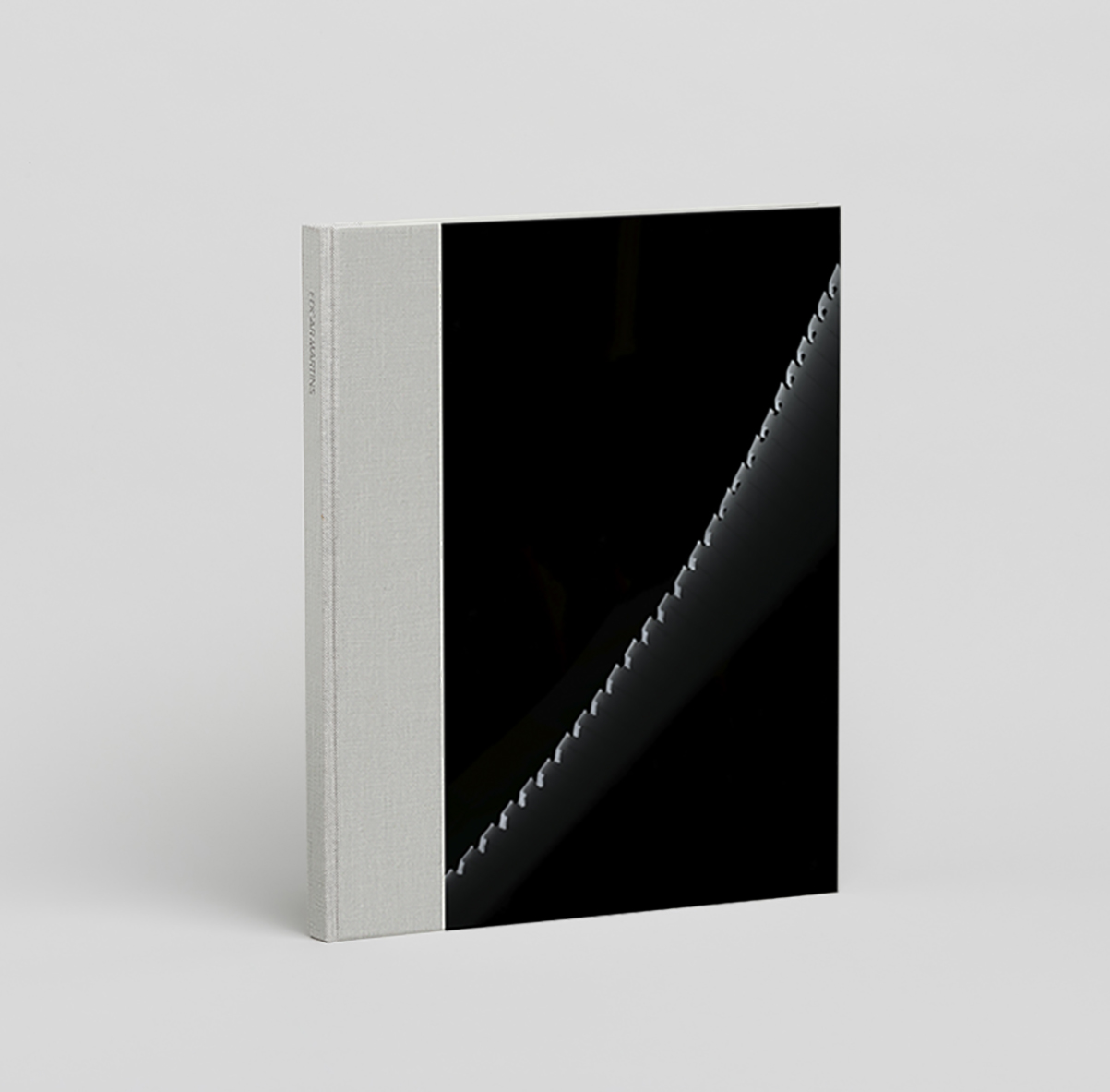
Using medical imaging equipment, Martins captures only the edges of these letters, their contents remaining hidden. The resulting images move between documentation and abstraction — bearing witness not to what the letters contain but to the material fact of their existence: the physical trace of an act of writing that, in each case, altered the course of a life.
The choice of medical imaging is not incidental. These are instruments designed to see through surfaces — to render the interior legible without opening it, to diagnose without exposure. Turned on these letters, they perform a structurally similar operation: they acknowledge the presence of something profound without violating its privacy. The edge becomes at once a formal and an ethical position — the precise limit of what art may touch, and what it must leave intact.
What the series ultimately asks is not whether such material can be shown, but what it means to show it at all — how art might hold open a conversation about mental health without reducing the suffering it encounters to illustration, evidence, or spectacle.